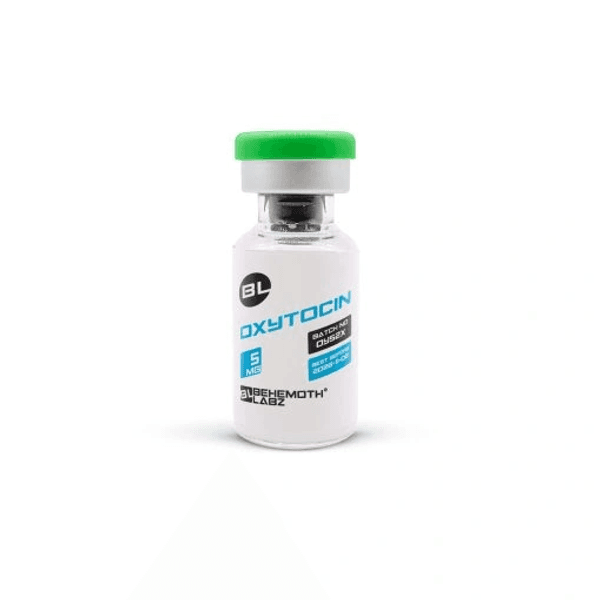
Oxytocin
The bonding neuropeptide, studied for mood, trust, and intimacy.
For research purposes only. These products are not intended to diagnose, treat, cure, or prevent any disease. By purchasing, you confirm these products will be used for legitimate research purposes.
About Oxytocin
Oxytocin is a naturally occurring nine-amino-acid neuropeptide produced in the hypothalamus and released by the posterior pituitary. Its roles in labor and lactation are well established. It has also been studied for social bonding, trust, stress buffering, and sexual response — but human trials of intranasal oxytocin for these behavioral effects are mixed and often fail to replicate, so those uses remain unproven and are off-label.
Key Benefits
- Established role in labor and lactation (approved use)
- Studied for social bonding and trust (human evidence mixed/unreplicated)
- Studied for stress buffering and mood (not proven)
- Rapid onset via nasal or subcutaneous routes
Set a goal (top of the page) to see how Oxytocin scores against it, and what the better-evidenced alternatives are.
Category Ratings
How to Take
Common Side Effects
- Nausea
- Nasal irritation (intranasal use)
- Headache
- Transient changes in blood pressure or heart rate
- Injection site reactions
Legal & Regulatory Status
Oxytocin is FDA-approved only as Pitocin (intravenous) for labor induction and postpartum use. The wellness, bonding, and intranasal uses marketed here are off-label — research use only.
Safety and regulatory details for FDA-approved compounds are drawn from the official product label via openFDA; clinical development status reflects ClinicalTrials.gov. This information is provided for research reference, is not endorsed by the FDA, and may not be complete or current.
Research & Sources
- FDA prescribing information — Pitocin (oxytocin injection, IV obstetric use), via DailyMed
- Meta-analysis: intranasal oxytocin & trust — effects limited and mixed (PMID 21802859)
Sources are selected for reliability (peer-reviewed literature, openFDA, ClinicalTrials.gov) but this is a research summary, not medical advice, and may not be exhaustive.
Prices at quality-checked sources · as of July 2026 (3 weeks ago)
- $76.83
Observed on each vendor’s public listing — see how these sources are vetted. Peptide Concierge doesn’t sell peptides and isn’t affiliated with any vendor; confirm current pricing at the source.
Builds a working set shared across the stack builder, calculator, scheduler and compare.