Humanin
Protect cells from stress and support neuroprotective pathways.
For research purposes only. These products are not intended to diagnose, treat, cure, or prevent any disease. By purchasing, you confirm these products will be used for legitimate research purposes.
About Humanin
Humanin is a mitochondrial-derived peptide discovered while researching Alzheimer's disease. It is encoded within the 16S rRNA gene of mitochondrial DNA and acts as a cytoprotective factor, protecting cells from oxidative stress, apoptosis, and metabolic dysfunction. Research connects it to neuroprotection, cardiovascular health, and insulin sensitivity.
Key Benefits
- Cytoprotective against oxidative stress
- Neuroprotective — discovered in Alzheimer's research
- Supports insulin sensitivity
- Anti-apoptotic signaling cascade
Set a goal (top of the page) to see how Humanin scores against it, and what the better-evidenced alternatives are.
Category Ratings
How to Take
Common Side Effects
- Injection site irritation
- Mild headache
- Temporary fatigue
- Mild dizziness
Legal & Regulatory Status
Research use only. Not FDA-approved. Neuroprotective/longevity effects are preclinical (cell + animal); human data is observational, not interventional.
Safety and regulatory details for FDA-approved compounds are drawn from the official product label via openFDA; clinical development status reflects ClinicalTrials.gov. This information is provided for research reference, is not endorsed by the FDA, and may not be complete or current.
Research & Sources
Sources are selected for reliability (peer-reviewed literature, openFDA, ClinicalTrials.gov) but this is a research summary, not medical advice, and may not be exhaustive.
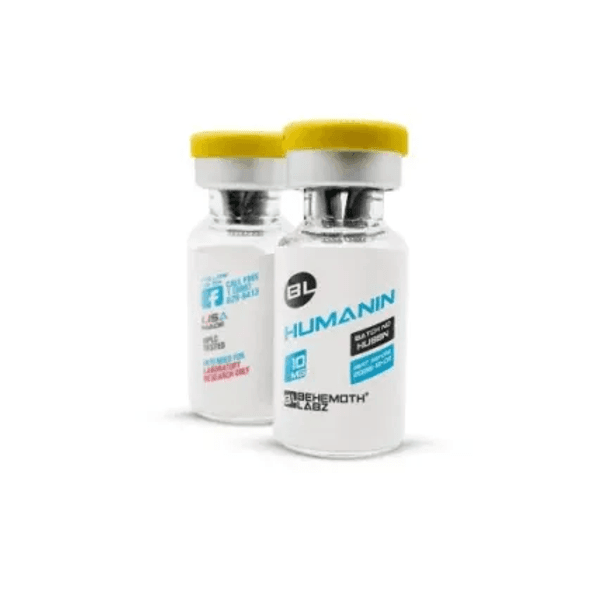
Prices at quality-checked sources · as of July 2026 (3 weeks ago)
- $177.48
Observed on each vendor’s public listing — see how these sources are vetted. Peptide Concierge doesn’t sell peptides and isn’t affiliated with any vendor; confirm current pricing at the source.
Builds a working set shared across the stack builder, calculator, scheduler and compare.