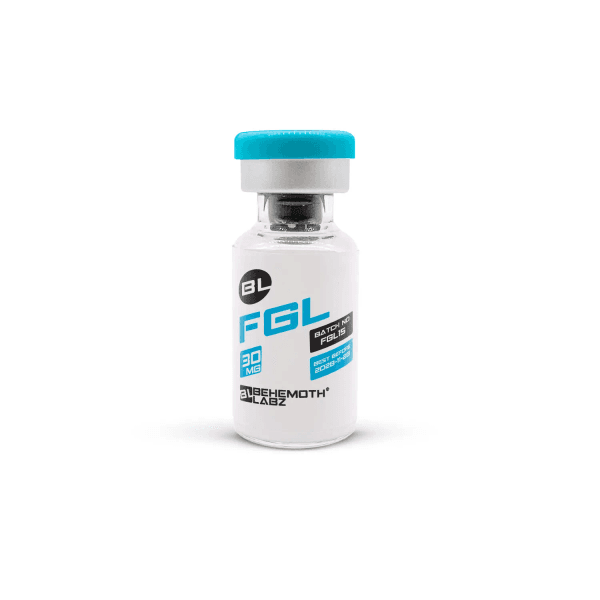
FGL (FG Loop Peptide)
NCAM-derived FGFR1 agonist — memory effects shown by brain infusion in rodents.
For research purposes only. These products are not intended to diagnose, treat, cure, or prevent any disease. By purchasing, you confirm these products will be used for legitimate research purposes.
About FGL (FG Loop Peptide)
FGL is a 15-amino-acid peptide corresponding to the binding site on neural cell adhesion molecule for fibroblast growth factor receptor 1, making it a dual NCAM/FGFR1 agonist. The rodent literature is substantial for a compound this obscure: it promotes synaptogenesis and enhances presynaptic function in hippocampal cultures, facilitates long-term plasticity in the dentate gyrus in vivo, protects hippocampal neurons from ischaemic insult in gerbils, alleviates amyloid-beta-induced CA1 cell loss in rats, and mobilises neural stem cells. The memory findings that make it interesting used intracerebroventricular administration immediately after training — infusion into the brain's ventricles. Some neuroprotection work did use systemic dosing, which is a point in its favour relative to others in this batch, but no human study of any kind has been conducted.
Key Benefits
- Dual NCAM and FGFR1 agonist with a defined binding mechanism
- Long-lasting memory improvement after post-training brain infusion in rats
- Neuroprotective against ischaemic and amyloid insults in rodents
- Some neuroprotection demonstrated after systemic rather than central dosing
Set a goal (top of the page) to see how FGL (FG Loop Peptide) scores against it, and what the better-evidenced alternatives are.
Category Ratings
How to Take
Common Side Effects
- Unknown — no human safety data exists
- Injection site reactions
- FGFR1 is broadly expressed, so systemic agonism has uncharacterised consequences
Legal & Regulatory Status
Research use only. Not FDA-approved and never tested in humans. Evidence is entirely rodent, with the memory findings depending on direct brain infusion.
Safety and regulatory details for FDA-approved compounds are drawn from the official product label via openFDA; clinical development status reflects ClinicalTrials.gov. This information is provided for research reference, is not endorsed by the FDA, and may not be complete or current.
Research & Sources
- Neuroprotective and memory enhancing properties of a dual FGF receptor and NCAM agonist (PMID 22842016)
- FGL facilitates long-term plasticity in the dentate gyrus in vivo (PMID 21508096)
- A synthetic NCAM-derived peptide, FGL, protects hippocampal neurons from ischemic insult (PMID 16197499)
- NCAM mimetic peptide promotes synaptogenesis and facilitates memory consolidation (PMC6729275)
Sources are selected for reliability (peer-reviewed literature, openFDA, ClinicalTrials.gov) but this is a research summary, not medical advice, and may not be exhaustive.
Prices at quality-checked sources · as of August 2026 (10 days ago)
- 30mg $297.95
Observed on each vendor’s public listing — see how these sources are vetted. Peptide Concierge doesn’t sell peptides and isn’t affiliated with any vendor; confirm current pricing at the source.
Builds a working set shared across the stack builder, calculator, scheduler and compare.