Argireline (Acetyl Hexapeptide-8)
SNAP-25 mimic marketed as topical Botox — real studies, real penetration problem.
For research purposes only. These products are not intended to diagnose, treat, cure, or prevent any disease. By purchasing, you confirm these products will be used for legitimate research purposes.
About Argireline (Acetyl Hexapeptide-8)
Argireline is acetyl hexapeptide-8, a six-residue sequence copied from SNAP-25. It competes with SNAP-25 for a place in the SNARE complex that neurons use to release neurotransmitter, so blocking that assembly should reduce the muscle contraction behind expression lines. That is the same broad target as botulinum toxin, which is where the "topical Botox" comparison comes from — the mechanism is analogous, the magnitude is not. The human data is real but modest. A 30-day study of a cream containing 10% Argireline reported roughly a 30% reduction in the depth of mimic wrinkles versus placebo, and facial topography analysis showed wrinkle severity around the eyes falling up to 17% at 15 days and 27% at 30 days. It has also been compared head-to-head against palmitoyl pentapeptide-4 in a double-blind randomised trial for crow's feet. The honest caveat is delivery: at around 889 Da and strongly hydrophilic, it penetrates the stratum corneum poorly, and a 2025 review notes that the mechanism by which topical application inhibits muscle contraction remains incompletely understood. Several studies use microneedle patches or other delivery aids precisely because a plain cream struggles to get it where it needs to be.
Key Benefits
- About 30% reduction in mimic wrinkle depth vs placebo over 30 days
- Compared against palmitoyl pentapeptide-4 in a double-blind randomised trial
- Defined mechanism — competes with SNAP-25 in SNARE complex formation
- No injection required, unlike botulinum toxin
Set a goal (top of the page) to see how Argireline (Acetyl Hexapeptide-8) scores against it, and what the better-evidenced alternatives are.
Category Ratings
How to Take
Common Side Effects
- Generally well tolerated topically
- Contact irritation or sensitivity possible
- Not evaluated for injection — no safety data exists for that route
Legal & Regulatory Status
Sold as a cosmetic ingredient and as a research chemical; not a drug and not FDA-approved. Cosmetic wrinkle-appearance claims do not require pre-market efficacy proof.
Safety and regulatory details for FDA-approved compounds are drawn from the official product label via openFDA; clinical development status reflects ClinicalTrials.gov. This information is provided for research reference, is not endorsed by the FDA, and may not be complete or current.
Research & Sources
- Acetyl hexapeptide-8 in cosmeceuticals — review of skin permeability and efficacy (PMC12193160)
- Double-blind randomized trial: acetylhexapeptide-3 vs palmitoyl pentapeptide-4 cream for crow's feet (PMC10005804)
- Skin scars and wrinkles temporary camouflage — focus on acetyl hexapeptide-8 (PMID 33151254)
- Anti-wrinkle efficacy of a hyaluronic acid microneedle patch with acetyl hexapeptide-8 (PMC7992733)
Sources are selected for reliability (peer-reviewed literature, openFDA, ClinicalTrials.gov) but this is a research summary, not medical advice, and may not be exhaustive.
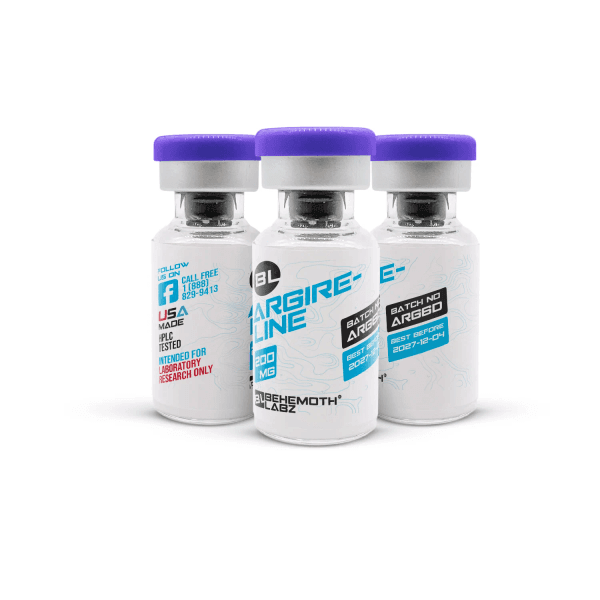
Prices at quality-checked sources · as of August 2026 (10 days ago)
- 200mg $214.96
Observed on each vendor’s public listing — see how these sources are vetted. Peptide Concierge doesn’t sell peptides and isn’t affiliated with any vendor; confirm current pricing at the source.
Builds a working set shared across the stack builder, calculator, scheduler and compare.